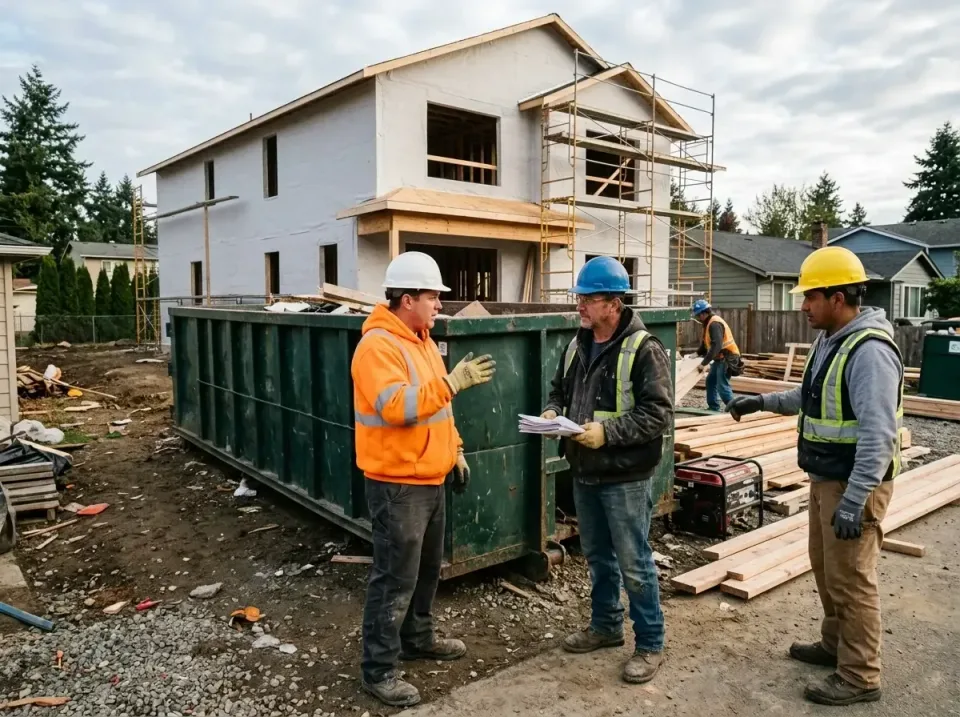
Small Dumpster Rental
Small dumpsters handle home cleanouts, remodeling debris, and yard waste for North Haledon homeowners and contractors.
Could a landscaping cleanup cost more after the roll-off dumpster arrives? Yes, especially when yard waste is mixed with soil, concrete, or household trash.
A dumpster too small for the project often causes rushed loading and contamination. Choosing capacity by cubic yard helps keep branches, grass, and heavier debris within the quoted scope.
In North Haledon, New Jersey, ask what materials the hauler accepts before delivery. This step can prevent a sorting charge after the load reaches a transfer facility.
A written estimate should identify accepted debris, container size, rental dates, and pickup timing. That record gives you something concrete to check if the final invoice changes.
NJ Dumpster Rentals helps homeowners plan local placement and disposal before they rent a dumpster. Coverage is available through the listed all service areas.
Sorting starts before loading: An overage fee may follow when branches, soil, and prohibited items enter one front-load dumpster.
Separate heavy debris: Concrete and brick can change the tonnage calculation, even when the container still has open volume.
Read the waste list: Tires, batteries, paint, and appliances with Freon are prohibited items requiring separate handling.
Confirm the delivery plan: Spotting means positioning the container during arrival, which reduces driveway and access mistakes.
Keep disposal records: A weight ticket from the landfill gate or transfer station can explain a charge better than an estimate alone.
Ask whether mixed debris is accepted or whether waste stream separation is required. A local provider should explain the rule before the driver arrives, and portable site planning guidance shows why access coordination matters on active properties.
Landscaping loads often contain several waste streams, and each one may follow a different disposal route. Branches and leaves can be treated as yard waste, while soil, brick, and concrete are inert material with different weight and handling concerns.
A debris removal company may sort the load at a transfer station before it reaches the landfill gate. That labor can create a dumpster rental fee when the original quote assumed one clean stream. Ask whether the provider accepts mixed landscaping debris or requires separation before pickup.
Construction dumpster rental regulations can also affect soil, treated wood, lead-painted material, and other additions from a larger property project. A contractor should identify the material before loading rather than hoping the facility accepts everything.
The cheapest dumpster rental is rarely the smallest container if branches spill over or a second haul becomes necessary. Measure the pile, account for loose material, and explain whether the project includes stumps, soil, concrete, or only trimmings.
A 30-yard commercial dumpster is commonly quoted around $550–$800 when disposal fees and commercial load conditions apply. That example does not price every North Haledon job, but it shows why load type matters as much as container volume.
A concrete and rubble dumpster may suit dense material better than a general yard-waste container. NJ Dumpster Rentals can compare a residential container with a contractor option before the pile is loaded.
At the transfer station, staff may inspect the load and direct materials toward recycling, composting, or disposal. Clean branches can follow one route, while mixed construction and demolition debris may require another.
The facility may record a weight ticket, then apply a tipping fee based on tonnage or contamination. That process explains why a load can trigger a charge after pickup even when the container was not filled above its rim.
If the provider uses a material recovery facility, separated metal, cardboard, or clean wood may support a higher diversion rate. Ask how the hauler handles landscaping waste before choosing a debris removal company.
Photograph the empty container, keep prohibited materials out, and save the written quote. If the pickup is delayed, those records show the load condition and the agreed service window.
The Environmental Protection Agency and New Jersey environmental authorities distinguish ordinary municipal solid waste from regulated materials. Lead paint, asbestos, and certain chemicals should never enter a standard container without approved handling.
DIY loading works for branches and light cleanup when the pile is manageable. Hire a debris removal company when the work includes heavy concrete, demolition debris, regulated materials, or a volume that could exceed the selected container.
A cubic yard equals 27 cubic feet, so capacity describes volume rather than weight. The 10-yard versus 20-yard decision also changes the tonnage allowance.
A 20-yard container carries approximately three tons under the listed example, while a 40-yard container carries approximately six tons. Dense rubble can reach weight limits before the container looks full.
A long-term roll-off suits an extended construction project, while a smaller temporary unit fits a short yard cleanup. Portable equipment planning resources also emphasize keeping delivery access clear during active work.
| Option | Best for | Key detail |
|---|---|---|
| 10-yard roll-off | Small residential cleanup | Lower volume and lighter tonnage |
| 20-yard roll-off | Mixed renovation debris | Approximately 3-ton limit |
| 30-yard roll-off | Larger property work | More room for bulky branches |
| 40-yard roll-off | Long-term roll-off construction project | Approximately 6-ton limit |
Describe the load: Tell NJ Dumpster Rentals whether you have branches, soil, a concrete dumpster need, or mixed renovation debris.
Check the weight plan: Review dumpster weight limits and overage fees before selecting a cheap roll-off dumpster for rent.
Prepare the property: Mark a level placement area and remove obstacles before the contractor dumpster arrives.
Confirm access: Keep the approach open for the delivery truck and explain any narrow driveway, gate, or overhead obstruction.
Protect the surface: Ask about boards or other placement measures before the container is set on asphalt.
Schedule removal: Request pickup after loading is complete and keep the container below its permitted fill line.
For a local permit or delivery question, dumpster rental planning information can help frame the access details you should provide.
A 10-yard residential cleanup commonly falls around $300–$500, while a 20-yard construction debris load may range from $450–$650. Size, material, haul distance, and disposal handling change the final figure.
A 30-yard dumpster may carry an approximately four-ton limit and can suit a larger landscaping project. Delivery fees are often $50–$200, though some quotes include delivery.
An overage fee commonly runs $40–$100 per ton when the load exceeds its included allowance. Common sizes include 10, 20, 30, and 40 cubic yards, so selecting capacity and weight together matters.
Concrete and rubble can cost more because weight reaches the limit quickly. Ask for the included tonnage, delivery charge, sorting rules, and pickup terms in writing.
Final quotes vary by location, weight, and dumpster size get a written estimate.
A dumpster spotter should confirm the container location before the truck sets it down. This simple check can prevent a permit for public right-of-way problem, blocked access, or a costly repositioning.
Ask where the load goes after pickup, because the transfer station and its tipping fee may treat clean branches differently from mixed debris.
A typical rental period is 7–14 days, but landscaping work can finish sooner. Schedule pickup after the final load and leave room for the driver to access the container.
Keep a photo of the load before removal, especially when soil or rubble is involved. A weight ticket can help clarify how the facility calculated tonnage.
Common mistake: Treating a full container as a volume problem when dense soil or concrete has already reached the weight limit.
A local provider can review the pile, access route, and disposal stream before delivery; portable service logistics information illustrates why placement planning should happen early.
Sorting fees usually begin with mixed materials, unclear weight allowances, or a container that cannot hold the project. Separate branches from concrete and rubble removal whenever the provider requires distinct disposal streams.
In North Haledon, NJ, a narrow driveway blocks delivery when the truck cannot safely reach the placement area. Share measurements, overhead obstacles, and surface concerns before scheduling landscaping debris hauling.
NJ Dumpster Rentals can help compare a residential container, a larger construction unit, or demolition waste removal service. Ask for the accepted materials, included tonnage, rental dates, and pickup terms in writing.
Start by describing the pile and delivery location, then request a clear quote from NJ Dumpster Rentals at (844) 606-1601. That small planning step can prevent a second haul and an unexpected sorting charge, while waste service logistics resources reinforce the value of planning disposal before loading.
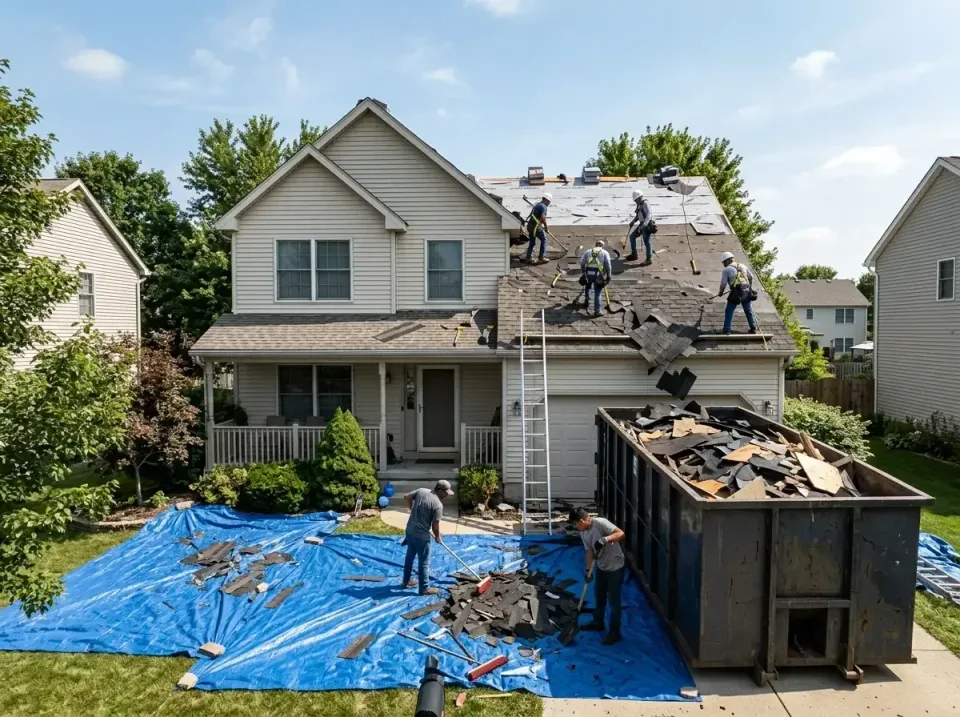
Browse all nationwide service options and choose the right fit for your project.
Small dumpsters handle home cleanouts, remodeling debris, and yard waste for North Haledon homeowners and contractors.
Homeowners, contractors, and property managers book medium dumpsters for renovations, cleanouts, and contained debris removal in North Haledon.
Large dumpsters help North Haledon homeowners, contractors, and property managers handle major debris loads.
Construction dumpsters for North Haledon homeowners, contractors, and property managers handling remodeling, demolition, and building debris.
Homeowners, contractors, and property managers can book same-day dumpster delivery and pickup for North Haledon projects.
Homeowners and contractors book residential dumpsters in North Haledon for renovations, cleanouts, roofing, and yard debris.
Contractors and property managers book commercial dumpsters for construction debris, office cleanouts, and scheduled waste pickup in North Haledon.
Homeowners and contractors book renovation dumpsters for drywall, lumber, flooring, roofing, and remodeling debris in North Haledon.
Homeowners, contractors, and property managers book North Haledon demolition waste removal for lumber, drywall, concrete, and rubble.
Homeowners, families, and property managers use estate cleanup dumpsters for furniture, household debris, and downsizing projects in North Haledon.
Homeowners, landscapers, and property managers can remove branches, leaves, grass, and landscaping debris in North Haledon.
Homeowners and contractors use our North Haledon service for concrete, brick, asphalt, and rubble removal.
Homeowners, contractors, and property managers can book North Haledon bins for ferrous and nonferrous scrap recycling.
Homeowners, roofers, and property managers book North Haledon roofing debris removal for shingles, felt, and tear-off waste.
Homeowners, contractors, and property managers book furniture and appliance removal for bulky household and commercial cleanouts.
Property managers book right-sized dumpsters for cleanouts, renovations, demolition debris, and scheduled property cleanup in North Haledon.
Contractors and builders book North Haledon dumpsters for construction debris, demolition waste, roofing tear-offs, and commercial cleanups.
Homeowners and property managers book North Haledon spring cleanouts for furniture, appliances, yard waste, and household junk.
Homeowners, landlords, and property managers book moving dumpsters for furniture, boxes, and relocation debris in North Haledon.
Homeowners, contractors, and property managers book bulk waste disposal for furniture, renovation debris, concrete, and yard waste in North Haledon.
Retail, warehouse, and office projects across North Haledon — commercial construction debris removal with billing clarity and scheduled haul-offs.
Homeowners, contractors, and property managers book North Haledon disaster cleanup dumpsters for storm, fire, and demolition debris.
Long-term containers help North Haledon homeowners, contractors, and property managers control debris throughout extended projects.
Homeowners, contractors, and property managers book North Haledon recycling and waste diversion for cleaner debris removal.
Weekend and holiday dumpsters help North Haledon homeowners, contractors, and property managers clear projects on their schedule.
Select your region to see local cheapest dumpster rentals providers and cities we cover.
We connect you with trusted local providers in your state or city. Call or email us today.