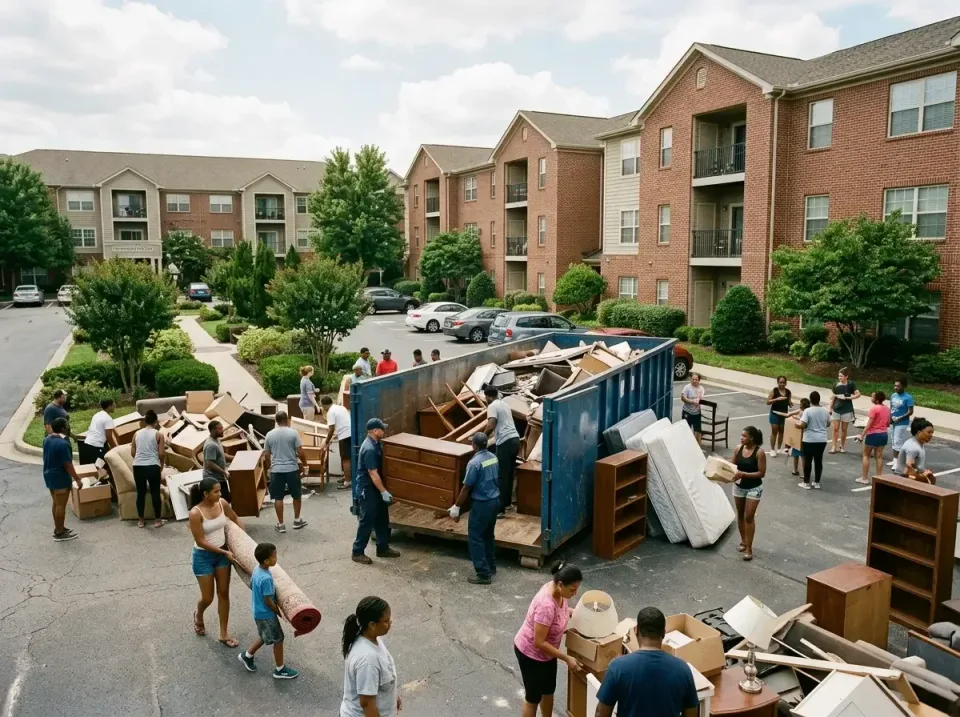
Small Dumpster Rental
Small dumpsters handle home cleanouts, remodeling debris, and yard waste for North Haledon homeowners and contractors.
The best way to avoid an overage fee is to confirm tonnage, prohibited materials, and pickup terms before delivery. Included limits commonly range from 2–10 tons.
In North Haledon, a roll-off dumpster can exceed its allowance even when it looks only partly full. Concrete, brick, soil, and roofing shingles add weight quickly.
Ask for a written estimate showing disposal charges, included weight, rental dates, and possible extra fees. Sanitation planning also matters during messy projects, especially when portable sanitation resources are needed nearby.
Choose a container based on both volume and material weight. A larger box prevents overflow, but it does not eliminate charges caused by dense debris.
Confirm tonnage: Ask how the weight allowance is measured and request the final weight ticket.
Size the job: A dumpster too small for the project often causes overflow, extra hauling, or a second delivery.
Separate materials: Keep concrete, soil, and other inert debris apart from lighter municipal solid waste when advised.
Check exclusions: Prohibited items can trigger special handling charges, so identify them before loading.
Protect access: A dumpster spotter can help with placement, while portable restroom planning guidance may help coordinate crowded cleanup sites.
A 20-yard dumpster holds 540 cubic feet because one cubic yard equals 27 cubic feet. That capacity suits many renovations, but dense debris may reach the tonnage limit first. Before you rent a dumpster, separate the material into construction and demolition debris, household waste, yard waste, or inert material such as concrete and soil. This makes the volume estimate more reliable.
Ask whether a 10-, 20-, 30-, or 40-yard roll-off container fits the project. A 10-yard container may suit a small residential cleanup, while a 30-yard construction dumpster gives demolition crews more room. Do not choose solely by visible space; tonnage versus volume pricing is the distinction that prevents many final-bill surprises.
Concrete disposal requires more care than ordinary municipal solid waste. A concrete-only container or separate debris disposal service may cost less than mixing heavy rubble with lighter renovation waste. Ask where the load goes, whether the transfer station accepts it, and how the landfill gate records weight.
A weight ticket should show the measured load, included allowance, and any overage fee. If the provider charges by ton, moving a few dense materials elsewhere can reduce the final bill. NJ Dumpster Rentals can help assess a concrete, brick, or soil load before delivery rather than correcting the mistake after pickup.
Yes. A delivery can become a dry run if the truck cannot safely reach the planned spot. Before delivery, measure the approach, remove vehicles, check overhead wires, and keep the placement area level and firm. A cable-hoist roll-off truck also needs room to lower the container without striking structures.
Street placement may require approval from the Local Municipal Permitting Office. In North Haledon, confirm public-right-of-way requirements before reserving space. A blocked lane, failed spotting attempt, or late permit can create a second trip, delayed pickup, or added delivery charge.
Confirm the start date, included rental period, pickup notice, and extension rate in writing. Many temporary containers are scheduled around a defined project window, so a renovation delay can continue charges after the original term.
Do not fill above the rim line, and keep dumpster doors closed when not loading. Schedule pickup before the container becomes a neighborhood obstruction. If debris remains after a delayed collection, document the condition and contact NJ Dumpster Rentals promptly with the order details.
A practical checklist is simple: identify the waste stream, select capacity, verify tonnage, photograph placement, and retain the weight ticket. Call a professional when debris includes regulated materials, access is narrow, or the project combines concrete with household waste.
A roll-off rental is an open-top standard choice for remodeling and demolition. A front-load service uses scheduled regular pickup, making it better for recurring commercial waste.
A Bagster may suit a small DIY cleanup, but the dumpster-versus-Bagster difference is size and cost per haul. Confirm the total pickup charge before choosing the smaller option.
| Option | Best for | Key detail |
|---|---|---|
| 10-yard roll-off | Small cleanup | Approx. 2-ton limit |
| 20-yard roll-off | Remodeling debris | Approx. 3-ton limit |
| 30-yard roll-off | Larger construction work | Approx. 4-ton limit |
| Front-load service | Regular commercial waste | Scheduled pickup |
For jobsite sanitation planning, portable facility rental information can help separate worker needs from debris hauling decisions.
Describe materials: Tell NJ Dumpster Rentals whether the load includes roofing, furniture, soil, concrete, or mixed renovation debris.
Choose capacity: Compare the project volume with dumpster weight limits and ask how much a dumpster rental can legally weigh.
Confirm terms: Get the rental period, tonnage allowance, overage fee, pickup process, and prohibited-item rules in writing.
Prepare placement: Provide at least 24 hours’ notice, clear the approach, and place plywood where the truck will set the container.
Load carefully: Keep materials below the rim, close the doors, and separate dense debris when instructed.
Schedule removal: Arrange pickup by phone or online 24–48 hours ahead, then retain the weight ticket.
10-yard residential cleanup: $300–$500, mainly affected by size and local hauling distance.
20-yard construction debris: $450–$650, with the load type influencing disposal charges.
30-yard commercial dumpster: $550–$800, including disposal-fee differences.
Concrete and rubble: $600–$900, because weight drives the price.
Roofing tear-off: $500–$700, depending on shingle volume.
Same-day delivery: $100–$200 surcharge for urgent scheduling.
An overage fee may add $40–$100 per ton. Rental duration, disposal facility, access, and regional landfill rates can change the total. Final quotes vary by location, weight, and dumpster size get a written estimate.
Expert insight:
Count cubic yards and estimate tonnage separately. A transfer station may accept mixed waste, but a heavy load can still exceed the quoted allowance.
A Toter is useful for small household waste, not dense demolition debris. Ask where the load will be weighed and how the landfill gate records the weight ticket.
Common mistake: Choosing a container by volume while ignoring concrete, soil, brick, or roofing weight.
A dry run is another overlooked risk. If the truck cannot complete spotting because of parked cars, wires, or blocked access, the return trip can add cost. Photograph the cleared placement area before delivery.
Avoiding overage charges starts with a clear material list, realistic sizing, and written tonnage terms. Ask about delivery fees, pickup timing, prohibited items, and the weight ticket before loading.
North Haledon projects may also require space for truck access, a permit for street placement, or coordination with a demolition waste removal service. Landscaping debris hauling and mixed renovation loads may need different disposal guidance.
NJ Dumpster Rentals can review the project details, access conditions, and preferred rental dates before preparing a quote. If you are unsure about the size, call (844) 606-1601 with your debris type and approximate volume.
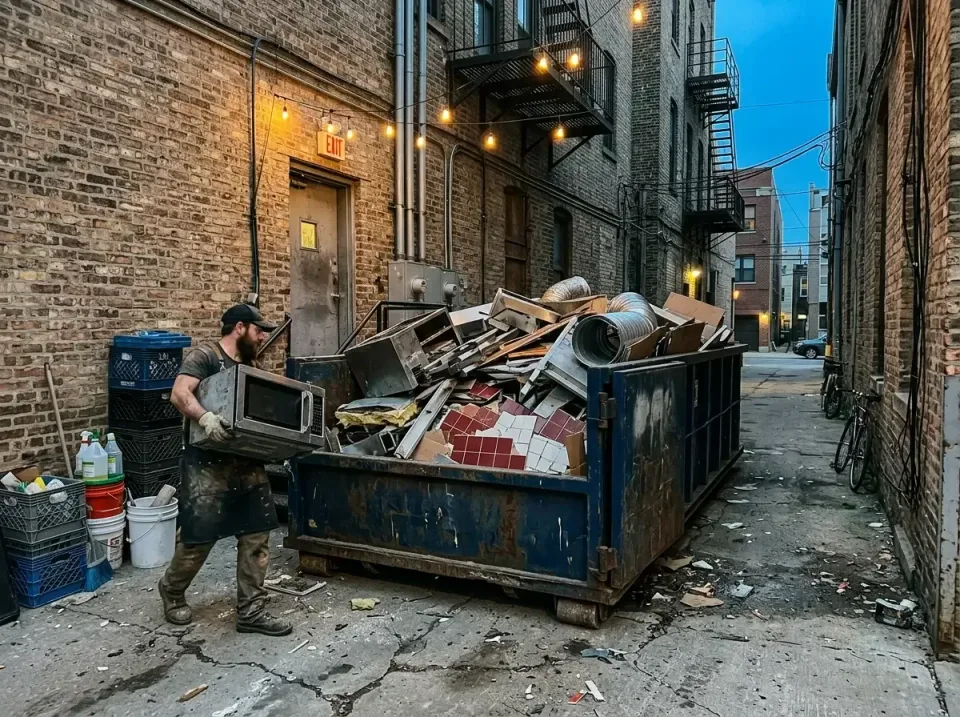
Browse all nationwide service options and choose the right fit for your project.
Small dumpsters handle home cleanouts, remodeling debris, and yard waste for North Haledon homeowners and contractors.
Homeowners, contractors, and property managers book medium dumpsters for renovations, cleanouts, and contained debris removal in North Haledon.
Large dumpsters help North Haledon homeowners, contractors, and property managers handle major debris loads.
Construction dumpsters for North Haledon homeowners, contractors, and property managers handling remodeling, demolition, and building debris.
Homeowners, contractors, and property managers can book same-day dumpster delivery and pickup for North Haledon projects.
Homeowners and contractors book residential dumpsters in North Haledon for renovations, cleanouts, roofing, and yard debris.
Contractors and property managers book commercial dumpsters for construction debris, office cleanouts, and scheduled waste pickup in North Haledon.
Homeowners and contractors book renovation dumpsters for drywall, lumber, flooring, roofing, and remodeling debris in North Haledon.
Homeowners, contractors, and property managers book North Haledon demolition waste removal for lumber, drywall, concrete, and rubble.
Homeowners, families, and property managers use estate cleanup dumpsters for furniture, household debris, and downsizing projects in North Haledon.
Homeowners, landscapers, and property managers can remove branches, leaves, grass, and landscaping debris in North Haledon.
Homeowners and contractors use our North Haledon service for concrete, brick, asphalt, and rubble removal.
Homeowners, contractors, and property managers can book North Haledon bins for ferrous and nonferrous scrap recycling.
Homeowners, roofers, and property managers book North Haledon roofing debris removal for shingles, felt, and tear-off waste.
Homeowners, contractors, and property managers book furniture and appliance removal for bulky household and commercial cleanouts.
Property managers book right-sized dumpsters for cleanouts, renovations, demolition debris, and scheduled property cleanup in North Haledon.
Contractors and builders book North Haledon dumpsters for construction debris, demolition waste, roofing tear-offs, and commercial cleanups.
Homeowners and property managers book North Haledon spring cleanouts for furniture, appliances, yard waste, and household junk.
Homeowners, landlords, and property managers book moving dumpsters for furniture, boxes, and relocation debris in North Haledon.
Homeowners, contractors, and property managers book bulk waste disposal for furniture, renovation debris, concrete, and yard waste in North Haledon.
Retail, warehouse, and office projects across North Haledon — commercial construction debris removal with billing clarity and scheduled haul-offs.
Homeowners, contractors, and property managers book North Haledon disaster cleanup dumpsters for storm, fire, and demolition debris.
Long-term containers help North Haledon homeowners, contractors, and property managers control debris throughout extended projects.
Homeowners, contractors, and property managers book North Haledon recycling and waste diversion for cleaner debris removal.
Weekend and holiday dumpsters help North Haledon homeowners, contractors, and property managers clear projects on their schedule.
Select your region to see local cheapest dumpster rentals providers and cities we cover.
We connect you with trusted local providers in your state or city. Call or email us today.