Small Dumpster Rental
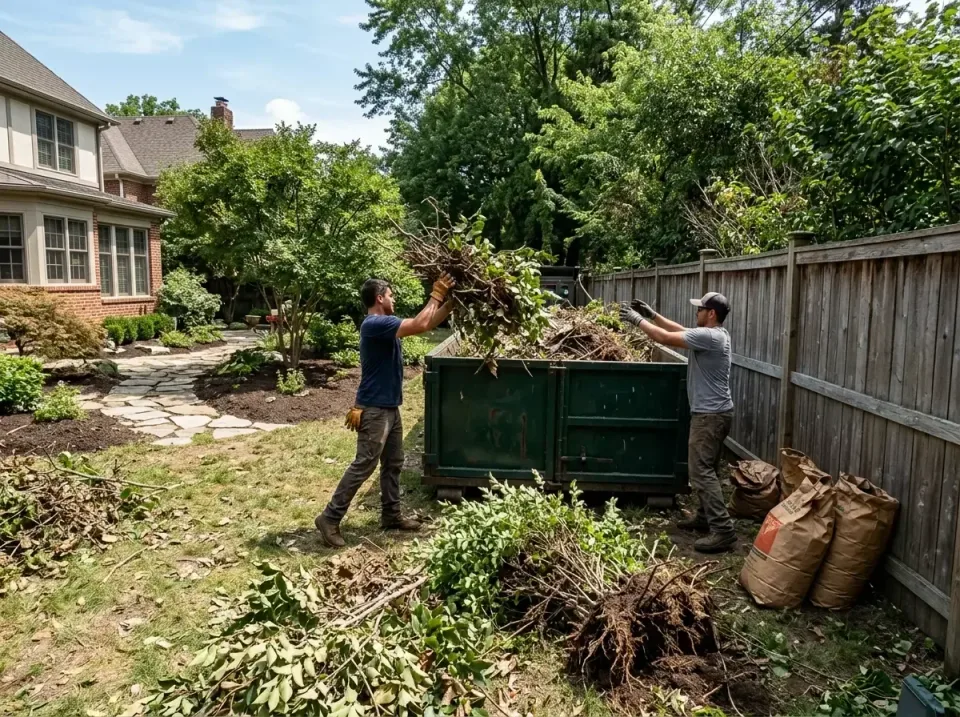
Small dumpsters handle home cleanouts, remodeling debris, and yard waste for North Haledon homeowners and contractors.
Worried about an overweight charge after pickup? A landfill weight ticket determines the final bill, not the container’s fill level alone.
A front-load dumpster is usually emptied on a regular route, while a roll-off dumpster travels to disposal after collection. North Haledon customers should ask which tonnage applies before loading dense debris.
Concrete, soil, and brick can reach a limit quickly, even when space remains. Separating heavy material from lighter household waste helps prevent a costly surprise.
NJ Dumpster Rentals serves North Haledon and broader areas through its service area coverage, with practical guidance for access, loading, and pickup planning.
Weight matters: Included limits commonly range from 2–10 tons, so tonnage can exceed before a dumpster looks full.
Size is not weight: A cubic yard measures volume, while a dry run may occur if a truck cannot safely collect the loaded container.
Keep records: The landfill gate creates the final weight ticket, which helps explain an overage fee.
Plan dense debris: A Toter filled with inert material can exceed its allowance faster than mixed municipal solid waste.
Ask before loading: NJ Dumpster Rentals can clarify the stated limit and disposal route, while dumpster service information shows why transfer-station handling affects charges.
The hauler may refuse pickup, require unloading, or bill an overage fee after weighing the load. A roll-off dumpster can be full by volume yet still remain within its weight limit; dense material creates the opposite problem.
A weight limit is the maximum tonnage allowed for the selected container and disposal route. The landfill or transfer station weighs the truck before and after unloading, then records the difference on a weight ticket. That measured tonnage can change dumpster rental prices after drop-off.
Do not fill above the rim. An overloaded or uneven load may be unsafe during cable-hoist handling, and debris can fall into traffic. Keep doors closed when loading is finished, especially during roofing or demolition work.
The 10-yard versus 20-yard choice is not simply a space decision. A 20-yard construction dumpster may have an approximate 3-ton limit, but the correct allowance depends on the written rental terms and material.
A roofing dumpster for shingles needs careful planning because shingles are dense and spread across a large surface. Estimate the tear-off area, then ask how the provider handles roofing shingles weight before delivery.
If the container is too small, a second haul can cost more than choosing a larger unit initially. If it is oversized for a light cleanup, you may pay for capacity you never use. NJ Dumpster Rentals can help match home renovation debris with the expected waste stream.
Mixed construction and demolition debris commonly includes lumber, drywall, and ordinary renovation material. Concrete, brick, and soil should be discussed separately because inert material can consume the weight allowance quickly.
Prohibited items require separate handling. Tires, batteries, paint, and appliances containing Freon should not enter a standard dumpster; some materials require recovery or regulated disposal.
The Environmental Protection Agency and state environmental agencies distinguish ordinary municipal solid waste from regulated waste streams. If lead paint, asbestos, or unknown chemicals appear, stop loading and report the material rather than mixing it into the container.
After pickup, the transfer station or landfill records the load’s measured weight. If it exceeds the included allowance, the hauler may add a per-ton charge, request payment before another service, or explain why the container could not be accepted.
That delay can leave debris at the property and extend a project. Schedule pickup after the load is safely below the rim, and photograph the container before collection. A written quote should identify included tonnage, material restrictions, pickup timing, and any surcharge method.
For contractors, waste stream separation can reduce contamination and support recycling. Roofing contractors, remodelers, and property managers should keep concrete, metal, and general debris apart when the provider offers separate disposal routes.
A cubic yard equals 27 cubic feet, but volume does not guarantee extra tonnage. The rental agreement should state the weight limit clearly per yard or container.
| Option | Best for | Key detail |
|---|---|---|
| 10-yard roll-off | Small residential cleanup | Approx. 2-ton limit; open-top loading |
| 20-yard roll-off | Remodeling debris | More volume, but tonnage still controls |
| 30-yard roll-off | Larger demolition work | Approx. 4-ton limit; confirm material rules |
| 40-yard roll-off | Commercial projects | Approx. 6-ton limit; bulky, lighter debris |
A front-load service follows scheduled pickup, while roll-off service usually handles temporary projects. Before choosing, review roll-off dumpster specifications alongside the proposed waste stream.
Pause loading: Keep the dumpster below its rim and close the doors when work stops.
Check the paperwork: Compare the stated tonnage, prohibited materials, and overage fee with the rental agreement.
Separate dense debris: Move concrete, brick, soil, and other heavy material into a suitable container when possible.
Protect placement: Use plywood or wood planks on a level surface before the cable-hoist truck arrives.
Confirm compliance: Street placement requires a city permit, and state DOT rules can affect maximum hauling weight.
Arrange pickup: Schedule collection 24–48 hours ahead by phone or online; dumpster pickup guidance explains why access and timing matter.
Overage costs are commonly listed at $40–$100 per ton, but the written agreement controls the actual charge. A weight ticket from the disposal facility usually supports the final calculation.
10-yard residential cleanup: $300–$500, driven mainly by size.
20-yard construction debris: $450–$650, driven by load type.
30-yard commercial dumpster: $550–$800, driven by disposal fees.
Concrete and rubble: $600–$900, driven by weight.
Roofing tear-off: $500–$700, driven by shingle volume.
Same-day delivery: $100–$200 surcharge, driven by urgency.
Common sizes include 10, 20, 30, and 40 cubic yards. Regional landfill charges, travel distance, material separation, and delivery terms can change the estimate. Final quotes vary by location, weight, and dumpster size get a written estimate.
Ask where the load will be weighed: a transfer station, landfill gate, or another disposal facility. A delivery fee may be $50–$200 and is often included, but it is separate from disposal weight.
A roll-off dumpster needs about 60 feet of clear approach for safe spotting. The truck operator needs room to align, lower, and retrieve the container without forcing a tight turn.
If the driveway is narrow, move vehicles before delivery and identify overhead obstructions. A failed spotting attempt can create a dry run and delay the project.
A heavy load should be discussed before the container arrives, especially for concrete, soil, or roofing shingles. The transfer station’s weight ticket is the practical record behind any tonnage adjustment.
Common mistake: Choosing a larger container for extra volume without confirming its allowed tonnage.
Use transfer-station dumpster planning to compare disposal logistics before requesting a local quote.
Exceeding a dumpster’s weight limit can lead to an overage fee, unloading request, or delayed pickup. The safest response is to stop loading, review the weight ticket terms, and separate dense debris.
A typical rental period lasts 7–14 days, but a heavy project may need earlier pickup or a concrete and rubble removal plan. That choice can prevent a driveway cracked by heavy truck activity or debris left outside.
For demolition waste removal service, roofing work, or residential cleanup in North Haledon, NJ, NJ Dumpster Rentals can discuss material, size, access, and written tonnage before delivery. Ask for a quote that identifies weight allowances and surcharge conditions.
The next step is simple: call NJ Dumpster Rentals at (844) 606-1601 with your debris type, project size, and placement address.
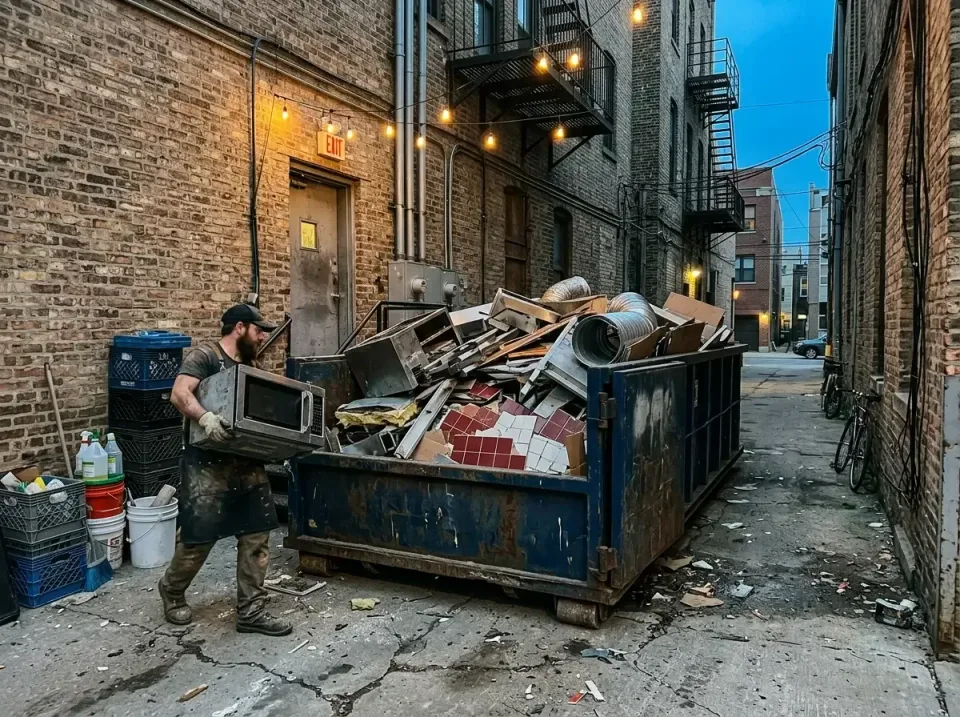
Browse all nationwide service options and choose the right fit for your project.
Small dumpsters handle home cleanouts, remodeling debris, and yard waste for North Haledon homeowners and contractors.
Homeowners, contractors, and property managers book medium dumpsters for renovations, cleanouts, and contained debris removal in North Haledon.
Large dumpsters help North Haledon homeowners, contractors, and property managers handle major debris loads.
Construction dumpsters for North Haledon homeowners, contractors, and property managers handling remodeling, demolition, and building debris.
Homeowners, contractors, and property managers can book same-day dumpster delivery and pickup for North Haledon projects.
Homeowners and contractors book residential dumpsters in North Haledon for renovations, cleanouts, roofing, and yard debris.
Contractors and property managers book commercial dumpsters for construction debris, office cleanouts, and scheduled waste pickup in North Haledon.
Homeowners and contractors book renovation dumpsters for drywall, lumber, flooring, roofing, and remodeling debris in North Haledon.
Homeowners, contractors, and property managers book North Haledon demolition waste removal for lumber, drywall, concrete, and rubble.
Homeowners, families, and property managers use estate cleanup dumpsters for furniture, household debris, and downsizing projects in North Haledon.
Homeowners, landscapers, and property managers can remove branches, leaves, grass, and landscaping debris in North Haledon.
Homeowners and contractors use our North Haledon service for concrete, brick, asphalt, and rubble removal.
Homeowners, contractors, and property managers can book North Haledon bins for ferrous and nonferrous scrap recycling.
Homeowners, roofers, and property managers book North Haledon roofing debris removal for shingles, felt, and tear-off waste.
Homeowners, contractors, and property managers book furniture and appliance removal for bulky household and commercial cleanouts.
Property managers book right-sized dumpsters for cleanouts, renovations, demolition debris, and scheduled property cleanup in North Haledon.
Contractors and builders book North Haledon dumpsters for construction debris, demolition waste, roofing tear-offs, and commercial cleanups.
Homeowners and property managers book North Haledon spring cleanouts for furniture, appliances, yard waste, and household junk.
Homeowners, landlords, and property managers book moving dumpsters for furniture, boxes, and relocation debris in North Haledon.
Homeowners, contractors, and property managers book bulk waste disposal for furniture, renovation debris, concrete, and yard waste in North Haledon.
Retail, warehouse, and office projects across North Haledon — commercial construction debris removal with billing clarity and scheduled haul-offs.
Homeowners, contractors, and property managers book North Haledon disaster cleanup dumpsters for storm, fire, and demolition debris.
Long-term containers help North Haledon homeowners, contractors, and property managers control debris throughout extended projects.
Homeowners, contractors, and property managers book North Haledon recycling and waste diversion for cleaner debris removal.
Weekend and holiday dumpsters help North Haledon homeowners, contractors, and property managers clear projects on their schedule.
Select your region to see local cheapest dumpster rentals providers and cities we cover.
We connect you with trusted local providers in your state or city. Call or email us today.