Small Dumpster Rental
Small dumpsters handle home cleanouts, remodeling debris, and yard waste for North Haledon homeowners and contractors.
A dumpster that is too small can leave debris behind and force a second haul. Accurate volume estimates help, because one cubic yard equals 27 cubic feet.
Start by separating bulky materials from dense loads. A pile of drywall occupies space differently than compact roofing debris.
In North Haledon, a delayed pickup can leave walkways blocked and create neighbor complaints. Measure each debris pile before choosing a container.
A simple sketch, material list, and access check give NJ Dumpster Rentals better information. Local delivery planning resources, including site-access rental guidance, also stress clear approaches before arrival.
Estimate slightly above your measured volume, then confirm weight limits and pickup timing in writing.
Volume first: A roll-off dumpster should match measured cubic yards, not a guess based on room count.
Choose the equipment: A front-load dumpster suits scheduled commercial service, while a roll-off handles a one-time cleanup.
Watch the load: Ask how an overage fee applies before dense debris reaches the landfill.
Use a spotter: A dumpster spotter can identify unsafe placement before a truck arrives.
Plan the margin: If the dumpster feels too small for the project, compare the next size against a second delivery.
Ask NJ Dumpster Rentals for the container dimensions, included tonnage, and written overage terms. A practical waste-planning checklist can also help organize cleanup equipment decisions before loading begins.
Yes, accurate sorting can prevent extra dumpsters, but volume alone is not enough. Construction & demolition (C&D) debris, roofing materials, and disaster cleanup debris behave differently during loading and disposal.
Make separate piles for lumber, drywall, shingles, furniture, and dense materials. A 30-yard demolition debris container may hold more loose material, while concrete requires attention to tonnage before cubic capacity.
Roofing debris removal often looks smaller after compression, but shingles can add weight quickly. Asbestos is banned from standard dumpsters, and suspected material requires a qualified disposal route instead of ordinary construction debris removal.
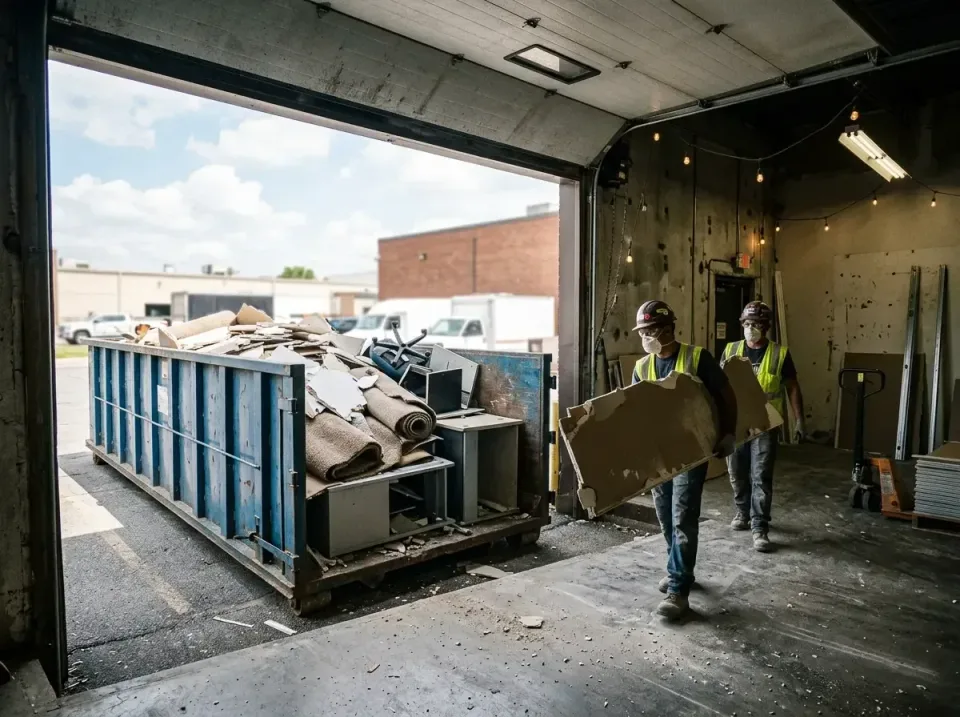
A high-end debris removal job may also include fixtures, cabinets, and appliances. Ask whether mixed debris is accepted, and remove prohibited materials before the container arrives.
Common roll-off sizes run from 10 to 40 cubic yards. For a home renovation, a 20-yard construction dumpster often handles mixed material better than a small container that fills before the final room is cleared.
Do not judge capacity by height alone. A container filled above its rim cannot be transported safely, and loose debris may spill during hauling.
A front-load dumpster works better for recurring municipal solid waste (MSW) service, while an open-top roll-off suits a defined cleanup. The difference between a roll-off and front-load unit includes pickup frequency, loading style, and available capacity.
For disaster cleanup debris, photograph the piles and describe dense items before ordering. NJ Dumpster Rentals can use those details to discuss a size change before delivery rather than after the first load.
An accurate estimate fails if the truck cannot place the container. Measure the driveway, remove parked cars, and check overhead wires before scheduling a delivery.
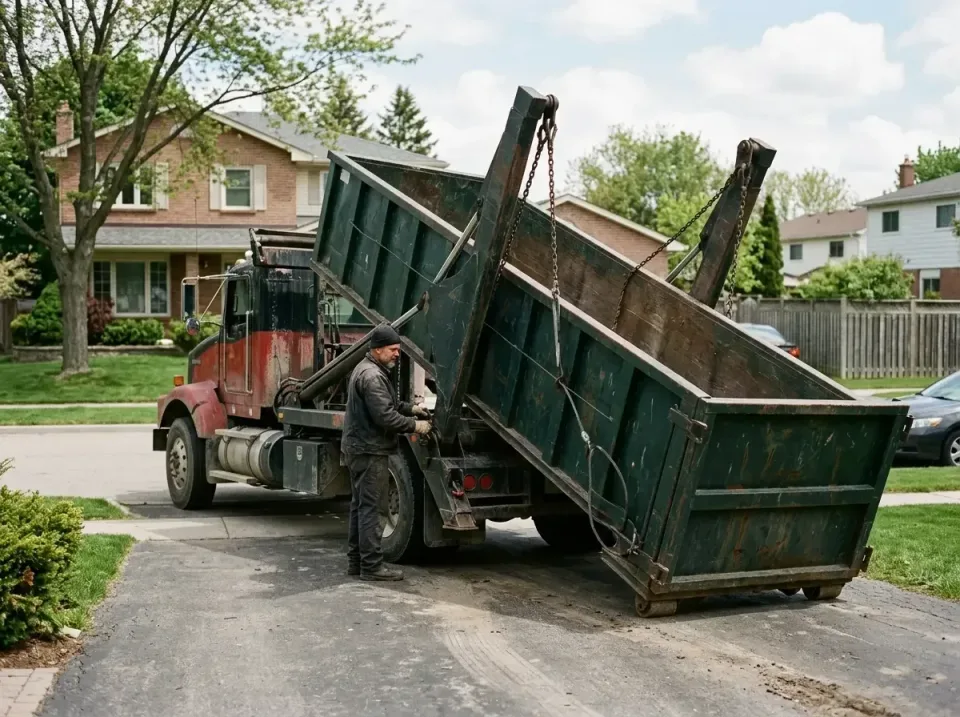
A cable-hoist truck needs a level, firm placement area. Narrow access, soft ground, or a blocked approach can cause a dry run, leaving debris onsite and delaying the project.
Keep the container below the rim and leave room for doors or loading access. Pickup should be scheduled 24–48 hours ahead when the cleanup deadline matters.
Street placement may require a city permit, and the Local Municipal Permitting Office controls public right-of-way approvals. Before blocking a lane, review local portable-site placement considerations alongside the municipality’s permit requirements.
Volume pricing does not tell the whole story. Tonnage, the weight assigned to a load, can create an overage charge even when the container is not full.
Concrete, brick, soil, and other inert material should be identified before loading. A transfer station or landfill gate may record a weight ticket, which determines disposal charges.
Separate scrap metal and clean materials when practical. A material recovery facility (MRF) may support a better diversion rate, while a contaminated load can cost more at the tipping fee stage.
Ask how long can you keep a dumpster rental before ordering. Most projects need a defined loading window, and a written pickup date prevents debris from remaining after work ends. A regional waste-service directory can help explain different disposal and hauling arrangements when a project crosses service boundaries.
A cubic yard contains 27 cubic feet, so estimate loose volume before selecting equipment. Dense debris can reach its tonnage limit before the container looks full.
The 10-yard versus 20-yard decision often turns on weight and access. A 20-yard unit carries approximately three tons, while a 40-yard unit carries approximately six tons.
Open-top containers favor bulky renovation waste; compactors favor repeated service and controlled volume. This dumpster equipment overview illustrates why container type affects loading plans.
| Option | Best for | Key detail |
|---|---|---|
| 10-yard roll-off | Small cleanup | Approx. 2-ton limit |
| 20-yard roll-off | Home renovation | Approx. 3-ton limit |
| 30-yard roll-off | Mixed construction waste | More volume than a 20-yard unit |
| 40-yard roll-off | Large commercial cleanup | Approx. 6-ton limit |
Measure: Estimate each debris pile in cubic yards, separating bulky material from dense loads.
Classify: Identify lead paint debris before loading; certified disposal may be required.
Check safety: Follow OSHA construction debris safety standards around lifting, access, and loose materials.
Prepare placement: Use wood planks under wheels because they help prevent rutting.
Clear access: Provide a level approach and enough room for the cable hoist to load and unload.
Confirm timing: Give about 24 hours’ notice for delivery and schedule pickup by phone or online.
Load correctly: Keep debris below the rim, close doors when possible, and report hazardous materials immediately. A debris-removal planning resource can help contractors organize these steps.
A 10-yard residential cleanup commonly runs $300–$500, with size driving the range. This option can suit furniture, light remodeling waste, or a limited property cleanup.
A 20-yard construction debris load commonly runs $450–$650. Roofing tear-off may run $500–$700 because shingle volume and disposal handling affect the quote.
A 30-yard container may carry approximately four tons, while listed weight limits can range from 2–10 tons included. Dense concrete and rubble can reach $600–$900 because weight, not empty space, controls disposal cost.
Same-day delivery may add $100–$200 for urgency. Regional landfill charges, access, material type, and included tonnage can change the final figure.
Final quotes vary by location, weight, and dumpster size get a written estimate.
The most common estimating mistake is using volume pricing for a dense load. Ask whether the quote covers tonnage, the transfer station tipping fee, and any landfill gate charge.
A weight ticket shows what the facility recorded, so keep it with the project paperwork. This matters when concrete, brick, soil, or wet debris makes the container heavy.
A dry run can happen when access is blocked, the placement surface is unsafe, or the truck cannot spot the container. Measure the approach before confirming delivery.
“A container can look half full and still be overweight with dense material. Confirm the material mix before choosing capacity.”
Common mistake: Treating a larger box as permission to load unlimited weight. Ask NJ Dumpster Rentals to compare tonnage versus volume pricing before delivery.
Accurate pile measurements can prevent extra hauls, but material weight and truck access still decide the right container. The common 10-, 20-, 30-, and 40-cubic-yard sizes suit different project stages.
Landscaping debris hauling usually needs room for branches, while estate and downsizing cleanup may include dense furniture and appliances. A full-service junk removal crew can help when loading labor exceeds the project’s capacity.
If a narrow driveway blocks delivery, discuss placement before booking. NJ Dumpster Rentals can review dimensions, material types, timing, and permit concerns for North Haledon projects.
For broader coverage, use the service area directory, then request a written estimate from NJ Dumpster Rentals with your measured volume and debris list.
Browse all nationwide service options and choose the right fit for your project.
Small dumpsters handle home cleanouts, remodeling debris, and yard waste for North Haledon homeowners and contractors.
Homeowners, contractors, and property managers book medium dumpsters for renovations, cleanouts, and contained debris removal in North Haledon.
Large dumpsters help North Haledon homeowners, contractors, and property managers handle major debris loads.
Construction dumpsters for North Haledon homeowners, contractors, and property managers handling remodeling, demolition, and building debris.
Homeowners, contractors, and property managers can book same-day dumpster delivery and pickup for North Haledon projects.
Homeowners and contractors book residential dumpsters in North Haledon for renovations, cleanouts, roofing, and yard debris.
Contractors and property managers book commercial dumpsters for construction debris, office cleanouts, and scheduled waste pickup in North Haledon.
Homeowners and contractors book renovation dumpsters for drywall, lumber, flooring, roofing, and remodeling debris in North Haledon.
Homeowners, contractors, and property managers book North Haledon demolition waste removal for lumber, drywall, concrete, and rubble.
Homeowners, families, and property managers use estate cleanup dumpsters for furniture, household debris, and downsizing projects in North Haledon.
Homeowners, landscapers, and property managers can remove branches, leaves, grass, and landscaping debris in North Haledon.
Homeowners and contractors use our North Haledon service for concrete, brick, asphalt, and rubble removal.
Homeowners, contractors, and property managers can book North Haledon bins for ferrous and nonferrous scrap recycling.
Homeowners, roofers, and property managers book North Haledon roofing debris removal for shingles, felt, and tear-off waste.
Homeowners, contractors, and property managers book furniture and appliance removal for bulky household and commercial cleanouts.
Property managers book right-sized dumpsters for cleanouts, renovations, demolition debris, and scheduled property cleanup in North Haledon.
Contractors and builders book North Haledon dumpsters for construction debris, demolition waste, roofing tear-offs, and commercial cleanups.
Homeowners and property managers book North Haledon spring cleanouts for furniture, appliances, yard waste, and household junk.
Homeowners, landlords, and property managers book moving dumpsters for furniture, boxes, and relocation debris in North Haledon.
Homeowners, contractors, and property managers book bulk waste disposal for furniture, renovation debris, concrete, and yard waste in North Haledon.
Retail, warehouse, and office projects across North Haledon — commercial construction debris removal with billing clarity and scheduled haul-offs.
Homeowners, contractors, and property managers book North Haledon disaster cleanup dumpsters for storm, fire, and demolition debris.
Long-term containers help North Haledon homeowners, contractors, and property managers control debris throughout extended projects.
Homeowners, contractors, and property managers book North Haledon recycling and waste diversion for cleaner debris removal.
Weekend and holiday dumpsters help North Haledon homeowners, contractors, and property managers clear projects on their schedule.
Select your region to see local cheapest dumpster rentals providers and cities we cover.
We connect you with trusted local providers in your state or city. Call or email us today.