Small Dumpster Rental
Small dumpsters handle home cleanouts, remodeling debris, and yard waste for North Haledon homeowners and contractors.
Worried that hidden charges will appear after the dumpster arrives? Start with a written quote, a measured debris estimate, and a roll-off dumpster sized for the full cleanout.
For North Haledon estates, affordable dumpster rental prices depend on container capacity, disposal weight, and rental length. A seven-day plan may fail when family members need several weekends.
Separate furniture, household waste, yard debris, and renovation material before requesting delivery. This helps NJ Dumpster Rentals recommend equipment without guessing from a vague room count.
A long-term plan also prevents rushed loading and delayed pickup. Homeowners outside North Haledon can review all service areas before arranging regional waste removal.
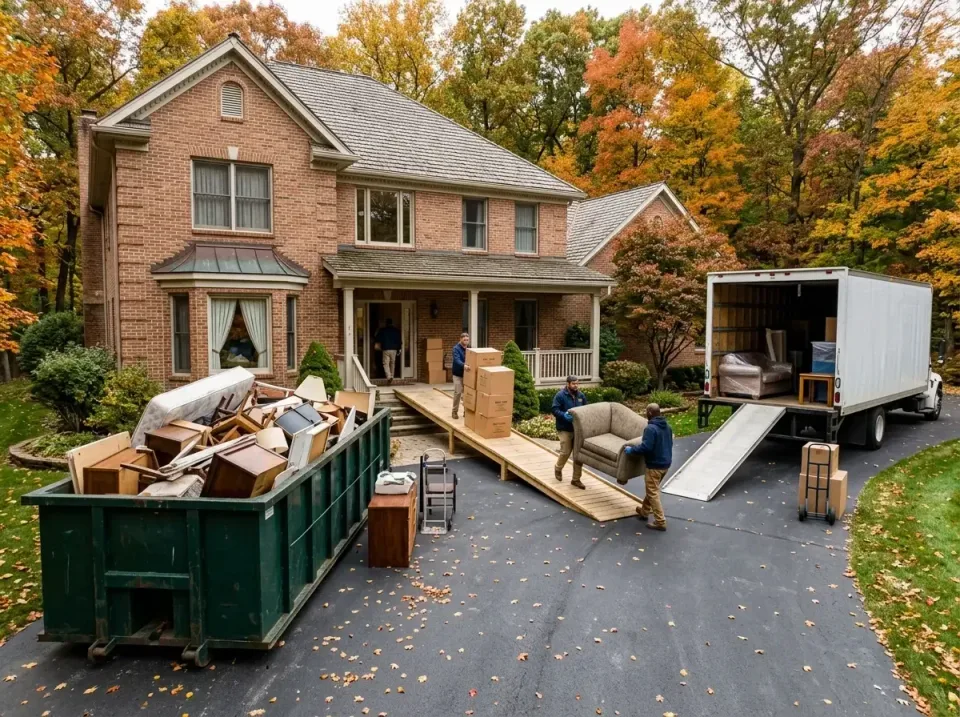
Right container: A front-load dumpster suits recurring service, while an estate cleanout usually needs open access for bulky furniture.
Overweight protection: Ask how tonnage is measured and when an overage fee applies; a scale weight matters more than a full-looking container.
Restricted materials: Remove prohibited items before loading, especially paint, batteries, tires, and appliances containing Freon.
Safe spotting: Confirm the spotting area, truck path, and overhead clearance before delivery to avoid a failed placement attempt.
Written records: Keep the weight ticket and disposal terms with the estate file, especially when several relatives share expenses.
A transfer station may separate municipal solid waste from heavier construction material. That separation can affect the final tipping fee, so ask how mixed loads are handled.
A local provider should explain the process plainly; portable sanitation industry practices also show why documented service timing matters on shared properties.
The estate cleanout dumpster size needed depends on furniture volume, attic contents, appliances, and any remodeling debris. A 10-yard container may suit a small apartment, while a larger home with multiple rooms often needs a 20-yard or 30-yard option.
Measure piles by floor space rather than guessing from the number of rooms. Ask how big a 20 yard dumpster is in usable terms, including door clearance and loading height. The wrong choice creates a second haul, which usually costs more than selecting a slightly larger container initially.
An estate cleanup dumpster works best when household bulk trash stays separate from concrete, soil, or brick. Those dense materials can consume available weight capacity before the container looks full.
How long can you keep a dumpster rental? Many estate cleanouts need more time than a weekend, so request a long-term arrangement before delivery. Give the provider an expected start date, family-access schedule, and likely completion window.
Use a written pickup plan rather than waiting until the container is full. If an estate sale, donation pickup, or contractor schedule changes, update the hauler early. A delayed pickup can leave furniture outdoors and block driveway access.
Keep the load below the rim and distribute heavy items across the floor. This makes the container safer to move and reduces disputes about an overloaded estate cleanout dumpster.
If the property includes a patio, masonry wall, or basement slab, learn how to rent a dumpster for concrete disposal before demolition begins. Concrete and other inert materials should generally use a container approved for heavy loads, not a mixed household-cleanout box.
Tell NJ Dumpster Rentals about brick, soil, asphalt, or plaster during the quote. A separate stream can prevent household furniture from being rejected or priced under the wrong disposal category. The construction debris disposal guidance illustrates why material classification matters before hauling.
Do not place lead-painted debris, asbestos, chemicals, or electronic waste into a standard container. Ask about certified disposal channels and keep questionable items aside until the hauler confirms acceptance.
A narrow North Haledon driveway, low wires, or parked vehicles can stop a cable-hoist truck from setting a container safely. Photograph the approach, measure the gate, and identify a level surface before booking.
Keep the access route clear during loading. Do not fill above the rim, block the container doors, or leave vehicles immediately beside the unit. These oversights cause failed pickups and can extend the cleanup timeline.
For street placement, ask the Local Municipal Permitting Office about a public-right-of-way permit before delivery. HOA rules may also restrict visibility, so address both approvals before scheduling the estate cleanout dumpster.
A professional is useful when relatives cannot safely lift furniture, the property contains demolition waste, or the cleanout spans several months. Request an itemized plan from NJ Dumpster Rentals that identifies size, rental dates, accepted materials, and pickup instructions.
A cubic yard equals 27 cubic feet, so container volume should be compared with the actual furniture and debris pile. The 10-yard option carries approximately two tons and suits a smaller household cleanup.
A temporary dumpster works well for an estate sale or short cleanup, while a long-term roll-off supports staged sorting. The 30-yard option carries approximately four tons and provides more room for bulky items.
The 40-yard option carries approximately six tons, but its footprint may be unsuitable for a residential driveway. Confirm access before choosing maximum capacity; portable site planning examples show why placement dimensions matter.
| Option | Best for | Key detail |
|---|---|---|
| 10-yard roll-off | Small estate cleanup | Approximately 2-ton limit |
| 20-yard roll-off | Average household contents | More volume for furniture |
| 30-yard roll-off | Large home or renovation | Approximately 4-ton limit |
| 40-yard roll-off | Major property clearance | Approximately 6-ton limit |
Inventory: List furniture, appliances, yard material, and renovation debris before asking how to choose the right dumpster size.
Measure access: For how to prepare for a dumpster delivery, clear the driveway and check overhead wires, turning space, and surface firmness.
Request timing: Give at least 24 hours’ notice when possible, then explain why the cleanout may require a long-term rental.
Protect pavement: Place plywood or wood planks beneath the equipment where appropriate; these boards help reduce rutting and asphalt damage.
Load safely: A cable hoist loads and unloads the container, so keep the truck path open and distribute heavy items evenly.
Close the job: Schedule pickup by phone or online after sorting ends, and report hazardous materials immediately instead of placing them inside.
Estate cleanout costs reflect container size, disposal weight, material type, rental duration, and delivery location. Common sizes range from 10 to 40 cubic yards, so compare capacity with the property’s actual debris.
10-yard residential cleanup: $300–$500, depending mainly on size and included service.
20-yard construction debris: $450–$650, based on load type and disposal handling.
30-yard commercial dumpster: $550–$800, with disposal fees affecting the range.
Concrete and rubble: $600–$900, because dense loads use weight capacity quickly.
Roofing tear-off: $500–$700, based on shingle volume.
Weight limits commonly range from 2–10 tons included. An overage fee may add $40–$100 per ton, while regional landfill and delivery charges can change the total. Final quotes vary by location, weight, and dumpster size get a written estimate.
A cubic yard measures space, but the landfill charge follows the actual load weight. Ask how the transfer station records the weight ticket before loading dense furniture, books, soil, or masonry.
A Toter can hold small household items during sorting, while a roll-off dumpster handles the main haul. Keep recyclable metal and reusable donations separate when that reduces the tipping fee.
A dumpster spotter should watch clearance during placement, especially near a narrow driveway or parked vehicles. That small step can prevent a damaged surface or a failed delivery attempt.
A clean load plan is cheaper than correcting contamination after pickup. Photograph the container before loading, then keep receipts and the weight ticket with the estate records.
Common mistake: Treating a full-looking container as the only cost measure while ignoring tonnage.
A successful estate and downsizing cleanup starts with a measured inventory, a suitable container, and a written pickup schedule. Choose capacity based on bulky contents, not just the number of rooms.
Plan concrete and rubble removal separately when masonry or soil is involved. Landscaping debris hauling may also need a separate estimate if branches and yard material fill the container quickly.
If the dumpster is too small for the project, a second delivery can cost more than choosing a larger unit early. Protect the driveway, keep access clear, and confirm placement before delivery.
NJ Dumpster Rentals can help review the material list, access conditions, and expected rental period for North Haledon. Request a written estimate with size, weight terms, accepted materials, and pickup timing before the cleanout begins.
Browse all nationwide service options and choose the right fit for your project.
Small dumpsters handle home cleanouts, remodeling debris, and yard waste for North Haledon homeowners and contractors.
Homeowners, contractors, and property managers book medium dumpsters for renovations, cleanouts, and contained debris removal in North Haledon.
Large dumpsters help North Haledon homeowners, contractors, and property managers handle major debris loads.
Construction dumpsters for North Haledon homeowners, contractors, and property managers handling remodeling, demolition, and building debris.
Homeowners, contractors, and property managers can book same-day dumpster delivery and pickup for North Haledon projects.
Homeowners and contractors book residential dumpsters in North Haledon for renovations, cleanouts, roofing, and yard debris.
Contractors and property managers book commercial dumpsters for construction debris, office cleanouts, and scheduled waste pickup in North Haledon.
Homeowners and contractors book renovation dumpsters for drywall, lumber, flooring, roofing, and remodeling debris in North Haledon.
Homeowners, contractors, and property managers book North Haledon demolition waste removal for lumber, drywall, concrete, and rubble.
Homeowners, families, and property managers use estate cleanup dumpsters for furniture, household debris, and downsizing projects in North Haledon.
Homeowners, landscapers, and property managers can remove branches, leaves, grass, and landscaping debris in North Haledon.
Homeowners and contractors use our North Haledon service for concrete, brick, asphalt, and rubble removal.
Homeowners, contractors, and property managers can book North Haledon bins for ferrous and nonferrous scrap recycling.
Homeowners, roofers, and property managers book North Haledon roofing debris removal for shingles, felt, and tear-off waste.
Homeowners, contractors, and property managers book furniture and appliance removal for bulky household and commercial cleanouts.
Property managers book right-sized dumpsters for cleanouts, renovations, demolition debris, and scheduled property cleanup in North Haledon.
Contractors and builders book North Haledon dumpsters for construction debris, demolition waste, roofing tear-offs, and commercial cleanups.
Homeowners and property managers book North Haledon spring cleanouts for furniture, appliances, yard waste, and household junk.
Homeowners, landlords, and property managers book moving dumpsters for furniture, boxes, and relocation debris in North Haledon.
Homeowners, contractors, and property managers book bulk waste disposal for furniture, renovation debris, concrete, and yard waste in North Haledon.
Retail, warehouse, and office projects across North Haledon — commercial construction debris removal with billing clarity and scheduled haul-offs.
Homeowners, contractors, and property managers book North Haledon disaster cleanup dumpsters for storm, fire, and demolition debris.
Long-term containers help North Haledon homeowners, contractors, and property managers control debris throughout extended projects.
Homeowners, contractors, and property managers book North Haledon recycling and waste diversion for cleaner debris removal.
Weekend and holiday dumpsters help North Haledon homeowners, contractors, and property managers clear projects on their schedule.
Select your region to see local cheapest dumpster rentals providers and cities we cover.
We connect you with trusted local providers in your state or city. Call or email us today.