
Small Dumpster Rental
Small dumpsters handle home cleanouts, remodeling debris, and yard waste for North Haledon homeowners and contractors.
Are you worried about unsafe loading, overflow, or a dumpster too small for your project? OSHA construction debris safety standards require controlled loading, stable placement, and clear access around active work areas.
A roll-off dumpster should never be loaded above its rim or positioned where workers must climb unstable debris. In North Haledon, New Jersey, the site supervisor should review access, material type, and truck clearance before delivery.
Affordable dumpster rental prices matter, but a low quote can become expensive after unsafe loading creates delays or contamination charges. Confirm the container size, accepted materials, tonnage terms, and pickup plan in writing.
OSHA focuses on worker protection, while the EPA and New Jersey environmental authorities regulate disposal. Contractors needing broader coverage can review all service areas before coordinating work across multiple states.
Spot the container: A dumpster spotter should guide delivery and loading near workers, equipment, and overhead hazards.
Choose enough volume: If the dumpster is too small for the project, debris may pile outside, increasing trip risks and neighbor complaints about overflow.
Match the container: A front-load dumpster suits scheduled commercial service, while a roll-off handles larger active-site loads.
Control spotting: Keep workers away from the truck’s swing path, and use a planned spotting area before placement begins.
Prevent overfill: Review the weight ticket and tonnage terms before loading, because an overage fee can follow the load to the transfer station.
The basic rule is simple: load debris evenly, keep it below the rim, and prevent workers from standing beneath suspended material. A 10-yard roll-off dumpster may fit a small renovation, but its approximate 2-ton limit can be reached quickly with concrete, brick, or soil.
Before loading, identify the waste stream. Construction and demolition (C&D) debris such as lumber and drywall can usually be handled differently from inert material. Ask what can you put in a dumpster rental before placing paint, batteries, tires, or an appliance containing Freon inside.
Keep dumpster doors closed when not loading. This reduces falling debris, limits unauthorized dumping, and keeps workers from using the door as an improvised platform. OSHA rules do not replace the site supervisor’s duty to control access and inspect the work area.
A construction debris safety resource can help crews distinguish general job-site housekeeping from disposal requirements, but the container provider must still confirm accepted materials.
Overfilling creates two problems: the driver may refuse pickup, and loose debris can fall during transport. The load must remain below the rim, with long boards, pipes, and similar pieces placed safely rather than sticking outward.
A 10-yard dumpster rental may be economical for a bathroom or small interior cleanup, but a 20-yard construction load may be safer for framing, drywall, and flooring. Size should follow both volume and tonnage, not just the visible debris pile.
Do not assume mixed debris always belongs together. Lead paint debris may require certified disposal, asbestos is banned from standard dumpsters, and electronic waste may be barred from landfills. Report questionable material before loading instead of discovering contamination at the landfill gate.
If an active site repeatedly overfills containers, schedule an exchange or choose a larger roll-off. A waste container planning guide may help explain capacity differences, but the written rental terms control the final charge.
OSHA addresses worker safety, while the Local Municipal Permitting Office handles a dumpster placed in a public right-of-way. A street placement permit may be denied at the last minute if the proposed location blocks traffic, sightlines, or required access.
North Haledon contractors should confirm the placement surface, truck route, and local permit requirements before scheduling delivery. HOA rules may restrict dumpster visibility even when the container sits on private property, so a driveway location is not automatically exempt from neighborhood rules.
A cable-hoist roll-off truck needs a clear approach and a stable landing area. Keep workers outside the truck’s operating zone, maintain a level surface, and avoid low wires or branches that can interfere with delivery.
The New Jersey Department of Transportation may also affect roadside placement, while the State Department of Environmental Protection governs disposal matters. Permit and hauling information can provide general comparison points, but North Haledon rules should be confirmed locally.
Place the container where the crew can load without crossing an active equipment lane. A driveway that is too narrow, soft, or sloped can cause a dry run, driveway damage, or a delivery delay.
Use plywood or wood planks under the wheels when the operator recommends protection. Keep vehicles at least 10 feet away from the dumpster, and maintain a clear path for workers carrying debris.
A supervisor should inspect the load during each shift, remove protruding material, and stop loading when the container approaches the rim. Secure lightweight material against wind, especially near homes, sidewalks, and neighboring properties.
Schedule pickup 24–48 hours in advance when the site reaches capacity. If delayed pickup leaves debris in a pedestrian area, pause loading and correct the hazard rather than stacking material beside the container.
For commercial office build-outs, demolition crews, and residential remodeling, a written loading plan prevents confusion between the contractor, hauler, and property owner. NJ Dumpster Rentals can help match the container, access plan, and pickup timing before work begins.
A cubic yard equals 27 cubic feet, so container volume describes space rather than safe weight. The 10-yard versus 20-yard choice also changes the tonnage limit and loading plan.
A temporary dumpster fits a short event or cleanup, while a long-term roll-off supports a construction schedule. A front-load service usually follows scheduled regular pickup, unlike a roll-off rental.
| Option | Best for | Key detail |
|---|---|---|
| 10-yard roll-off | Small cleanup | Approx. 2-ton limit; monitor dense debris |
| 20-yard construction dumpster | Remodeling | Approx. 3-ton limit; useful for C&D debris |
| 40-yard commercial container | Large job sites | Approx. 6-ton limit; requires careful spotting |
| Temporary dumpster | Event or cleanup | Short-term placement and scheduled pickup |
| Front-load service | Regular commercial waste | Pickup frequency differs from roll-off service |
Before choosing, compare volume, weight, access, and loading frequency rather than selecting the largest container automatically. A dumpster service comparison can help frame those trade-offs for contractors.
Plan delivery: Give the provider at least 24-hour notice and explain the active-site layout, material stream, and truck approach.
Prepare placement: Choose a level, firm surface, then place wood planks under wheels when rutting is possible.
Clear the route: Confirm at least 24 feet of truck access and remove obstructions near the cable-hoist path.
Verify permits: Obtain a city permit before placing the container in a street or public right-of-way.
Control loading: Keep doors closed when not loading, keep workers clear of equipment, and never fill above the rim.
Check materials: Report hazardous items immediately and separate prohibited items before disposal.
Schedule removal: Arrange pickup by phone or online 24–48 hours before the container must leave; a cheap dumpster is not useful if debris remains onsite.
A 10-yard residential cleanup commonly ranges from $300–$500, with size and material density affecting the quote. Its approximate 2-ton limit may not suit heavy rubble.
A 20-yard construction debris container commonly ranges from $450–$650 based on load type. A 30-yard commercial dumpster may range from $550–$800 because disposal fees and larger loads affect the price.
Common sizes include 10, 20, 30, and 40 cubic yards. Exceeding the included tonnage can add an overage fee of $40–$100 per ton, so ask how the landfill weight ticket affects billing.
Regional transfer station practices, delivery distance, material separation, and local disposal fees can change the total. Final quotes vary by location, weight, and dumpster size get a written estimate.
A cubic yard measures volume, but the landfill gate measures the load’s actual contents and weight. That difference explains why a container that looks half full can still create a tonnage problem.
Use a Toter for small loose household items only when the pickup arrangement allows it; active construction debris usually needs a roll-off dumpster. Keep a weight ticket with the project records when dense materials are involved.
A dry run often happens because the truck cannot reach the planned spot or the container cannot be safely removed. Confirm access, overhead clearance, and surface conditions before delivery.
“Stop loading when the material reaches the rim, then check for prohibited items before requesting pickup. That pause prevents many rejected loads and surprise disposal charges.”
Common mistake: Treating load contamination as a volume problem when the real issue is prohibited material mixed with ordinary debris.
Safe dumpster loading starts with the right container, a controlled work zone, and a clear disposal plan. That matters whether you need demolition waste removal service, concrete and rubble removal, or a residential cleanup container.
Most rentals last 7–14 days, but active projects may need earlier pickup planning. A delivery fee of $50–$200 is often included, though regional access and urgency can change the written quote.
If a permit is denied at the last minute, stop placement rather than moving the dumpster into an unsafe roadside position. NJ Dumpster Rentals can help review access, material type, size, and pickup timing for North Haledon, NJ projects.
Prepare the address, debris list, placement photo, and target dates, then request a written estimate from NJ Dumpster Rentals before loading begins.
Browse all nationwide service options and choose the right fit for your project.
Small dumpsters handle home cleanouts, remodeling debris, and yard waste for North Haledon homeowners and contractors.
Homeowners, contractors, and property managers book medium dumpsters for renovations, cleanouts, and contained debris removal in North Haledon.
Large dumpsters help North Haledon homeowners, contractors, and property managers handle major debris loads.
Construction dumpsters for North Haledon homeowners, contractors, and property managers handling remodeling, demolition, and building debris.
Homeowners, contractors, and property managers can book same-day dumpster delivery and pickup for North Haledon projects.
Homeowners and contractors book residential dumpsters in North Haledon for renovations, cleanouts, roofing, and yard debris.
Contractors and property managers book commercial dumpsters for construction debris, office cleanouts, and scheduled waste pickup in North Haledon.
Homeowners and contractors book renovation dumpsters for drywall, lumber, flooring, roofing, and remodeling debris in North Haledon.
Homeowners, contractors, and property managers book North Haledon demolition waste removal for lumber, drywall, concrete, and rubble.
Homeowners, families, and property managers use estate cleanup dumpsters for furniture, household debris, and downsizing projects in North Haledon.
Homeowners, landscapers, and property managers can remove branches, leaves, grass, and landscaping debris in North Haledon.
Homeowners and contractors use our North Haledon service for concrete, brick, asphalt, and rubble removal.
Homeowners, contractors, and property managers can book North Haledon bins for ferrous and nonferrous scrap recycling.
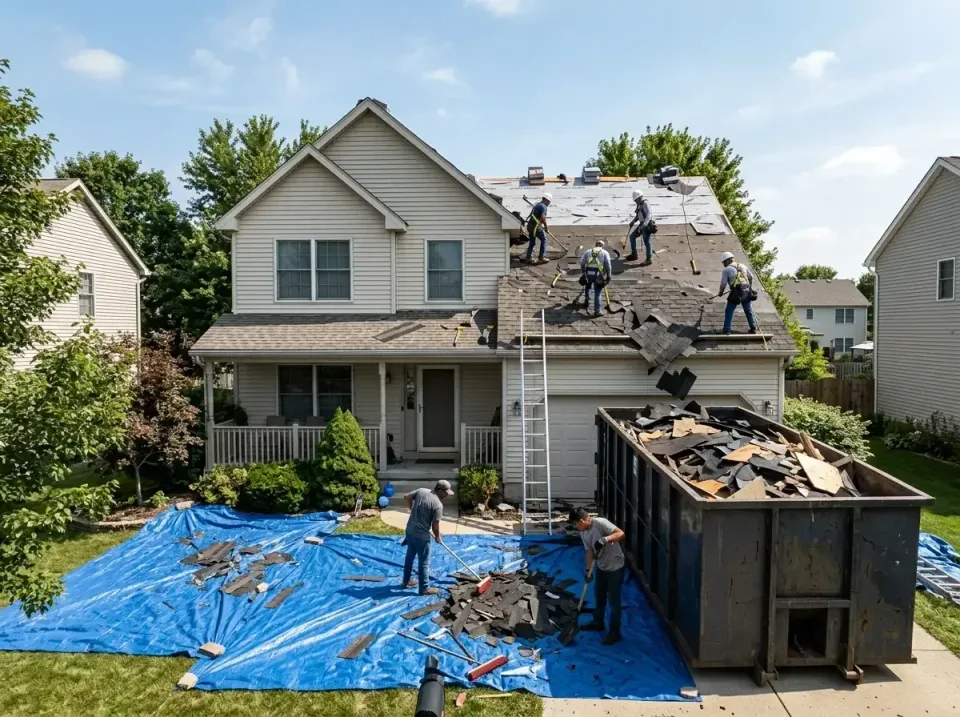
Homeowners, roofers, and property managers book North Haledon roofing debris removal for shingles, felt, and tear-off waste.
Homeowners, contractors, and property managers book furniture and appliance removal for bulky household and commercial cleanouts.
Property managers book right-sized dumpsters for cleanouts, renovations, demolition debris, and scheduled property cleanup in North Haledon.
Contractors and builders book North Haledon dumpsters for construction debris, demolition waste, roofing tear-offs, and commercial cleanups.
Homeowners and property managers book North Haledon spring cleanouts for furniture, appliances, yard waste, and household junk.
Homeowners, landlords, and property managers book moving dumpsters for furniture, boxes, and relocation debris in North Haledon.
Homeowners, contractors, and property managers book bulk waste disposal for furniture, renovation debris, concrete, and yard waste in North Haledon.
Retail, warehouse, and office projects across North Haledon — commercial construction debris removal with billing clarity and scheduled haul-offs.
Homeowners, contractors, and property managers book North Haledon disaster cleanup dumpsters for storm, fire, and demolition debris.
Long-term containers help North Haledon homeowners, contractors, and property managers control debris throughout extended projects.
Homeowners, contractors, and property managers book North Haledon recycling and waste diversion for cleaner debris removal.
Weekend and holiday dumpsters help North Haledon homeowners, contractors, and property managers clear projects on their schedule.
Select your region to see local cheapest dumpster rentals providers and cities we cover.
We connect you with trusted local providers in your state or city. Call or email us today.