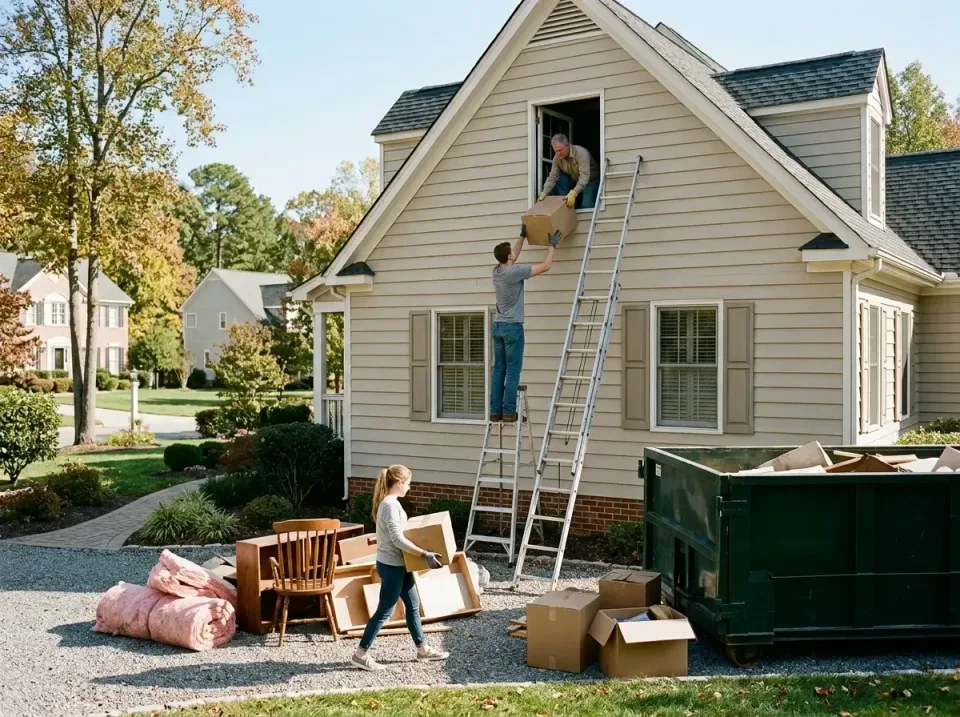
Small Dumpster Rental
Small dumpsters handle home cleanouts, remodeling debris, and yard waste for North Haledon homeowners and contractors.
A dumpster on a North Haledon public street usually needs municipal approval before delivery. Street placement requires a city permit, while private-driveway placement may follow different rules.
The permit protects traffic flow, parking access, and pedestrians. It can also prevent a last-minute denial after your cheap roll-off dumpster for rent arrives.
A front-load dumpster is usually for scheduled commercial service, while a roll-off suits temporary construction debris. Ask NJ Dumpster Rentals where the container will sit before choosing equipment.
Measure the street, curb, and approach first. Clear access helps the truck avoid a dry run, blocked lane, or unsafe placement.
Public right-of-way: A roll-off dumpster placed in the street generally needs a permit before delivery, so apply through the Local Municipal Permitting Office.
Last-minute denial: A permit denied at last minute can leave debris onsite; confirm street limits, parking restrictions, and approval timing before scheduling.
Transfer station records: Ask how the transfer station handles the load, since the tipping fee and disposal route can affect your written quote.
Street equipment: A roll-off dumpster fits temporary C&D debris removal, while a front-load dumpster suits recurring pickup rather than a short cleanup.
Documented pricing: Request the weight ticket and confirm tonnage, rental dates, and any overage fee before loading begins. A written scope helps prevent hidden charges after drop-off.
In North Haledon, a dumpster occupying the public right-of-way should be treated as a permit issue before delivery. The Local Municipal Permitting Office may ask for the exact address, placement dates, container dimensions, and traffic-control details.
A roll-off dumpster is an open-top container moved by a cable-hoist truck. It can support residential construction, roofing work, or C&D debris, but its street position can affect parking and visibility. Before scheduling, check dumpster rental permit requirements by city and confirm which office issues the local approval.
Do not assume a previous permit covers a new project. A temporary dumpster for a weekend cleanup may need different dates than a long-term container for a construction project. HOA rules may restrict dumpster visibility even when the city allows placement.
Permit approval does not make every material acceptable. Municipal solid waste, lumber, drywall, and ordinary construction debris may follow one disposal route, while hazardous materials require separate handling.
Ask specifically before loading paint, batteries, tires, or appliances with Freon. Those are prohibited items for standard service, and an appliance may require chlorofluorocarbon recovery before disposal. Lead paint debris may require certified disposal, asbestos is banned from standard dumpsters, and electronic waste may be barred from landfills.
For a 20 yard construction dumpster, keep the load below the rim and close the doors when not loading. Separating inert material, such as concrete, brick, and soil, can reduce contamination and help a transfer station direct material toward a material recovery facility.
A permit does not solve a sizing mistake. A dumpster too small for a remodeling job can force a second haul, while an oversized container may create avoidable access problems on a narrow street.
A 20-yard roll-off offers more volume than a 10-yard container, but tonnage limits still matter. A cubic yard equals 27 cubic feet, so estimate both the pile volume and material weight. Concrete and soil become heavy quickly, even when the container looks only partly full.
Weight limits are enforced by state DOT rules during transport. Keep a weight ticket from the landfill gate or transfer station, then compare it with the quoted tonnage. A clear load description helps NJ Dumpster Rentals recommend a construction dumpster without guessing from volume alone.
A permit can still fail operationally if the truck cannot safely reach the approved spot. A cable-hoist truck needs room for spotting, and low wires, parked cars, or an obstructed lane can cause a dry run.
Keep the approved area accessible and follow every permit condition. Do not move the container into another parking space without authorization. If the pickup is delayed, debris may remain exposed and neighbors may complain, so schedule the return before the rental period ends.
The practical sequence is simple: confirm the street permit, photograph the proposed location, verify access with the hauler, and keep the approval available onsite. That preparation protects the project from rebooking costs and a container sitting where enforcement officers did not approve it.
A temporary dumpster suits an event or cleanup, while a long-term roll-off fits an extended construction schedule. The table also shows why a dumpster versus Bagster decision affects both size and cost per haul.
| Option | Best for | Key detail |
|---|---|---|
| 10-yard roll-off | Small residential cleanup | About 2-ton limit; suitable where volume and street space are limited |
| 20-yard roll-off | Remodeling and C&D debris | Tonnage differs from a 10-yard container; confirm the weight allowance |
| 40-yard roll-off | Large commercial work | Approximately 6-ton limit; requires careful access planning |
| Temporary dumpster | Event or cleanup | Short placement window; permit dates must match delivery and pickup |
| Bagster | Small DIY project | Smaller haul model; compare size and cost per haul before choosing |
Confirm the city: Check dumpster rental permit requirements by city with North Haledon’s permitting office before ordering a 10-yard roll-off dumpster.
Measure access: Provide street width, overhead obstructions, and the planned location so the cable-hoist truck can complete spotting safely.
Submit details: Include the address, dates, container size, and traffic information required for public-right-of-way approval.
Protect pavement: Use plywood under the container; wood planks under wheels help prevent rutting during delivery.
Load safely: Keep materials below the rim and ask what happens if you overfill a dumpster, since unsafe loads can delay pickup.
Schedule removal: Arrange pickup by phone or online 24–48 hours ahead, then keep the permit available until the container leaves.
Street placement can add an approval charge or handling requirement, depending on the municipality and permit type. Ask for those items separately from hauling and disposal.
10-yard residential cleanup: $300–$500, driven mainly by container size.
20-yard construction debris: $450–$650, driven by load type; this size carries approximately a 3-ton limit.
30-yard commercial dumpster: $550–$800, with disposal fees affecting the total.
Concrete and rubble: $600–$900, because weight drives handling and disposal.
Roofing tear-off: $500–$700, based on shingle volume.
Same-day delivery: $100–$200 surcharge for urgency.
A typical rental period is 7–14 days, but permit dates may shorten the usable window. North Haledon pricing can differ from other New Jersey municipalities because local access, permits, and disposal routes change the total. Final quotes vary by location, weight, and dumpster size get a written estimate.
A dumpster spotter is the person watching truck clearance, curb position, and overhead hazards during delivery. That role matters when the street is narrow or parked cars limit the approach.
Confirm tonnage before loading, not after the landfill issues a weight ticket. An overage fee can reach $40–$100 per ton, so heavy debris deserves a separate plan.
Keep prohibited items out of the container, especially tires, batteries, paint, and Freon appliances. A transfer station may reject contaminated material or redirect it to another disposal route.
A clear delivery path prevents the most expensive mistake: paying for a truck visit that cannot place the container. Photograph the curb and nearby wires before scheduling.
Common mistake: Choosing a large cubic-yard container without checking its tonnage limit or the street’s usable width.
The safe approach is to secure city approval before placing a container in North Haledon’s public right-of-way. Match the permit dates, street access, and container size before delivery.
If the dumpster is too small for the project, a second haul may cost more than choosing the correct size initially. NJ Dumpster Rentals can also help coordinate demolition waste removal service or landscaping debris hauling when loose material does not fit a standard plan.
Common sizes range from 10 to 40 cubic yards, while an overage fee may run $40–$100 per ton. Send the address, material type, planned location, and requested dates to NJ Dumpster Rentals for a written next-step quote.
Browse all nationwide service options and choose the right fit for your project.
Small dumpsters handle home cleanouts, remodeling debris, and yard waste for North Haledon homeowners and contractors.
Homeowners, contractors, and property managers book medium dumpsters for renovations, cleanouts, and contained debris removal in North Haledon.
Large dumpsters help North Haledon homeowners, contractors, and property managers handle major debris loads.
Construction dumpsters for North Haledon homeowners, contractors, and property managers handling remodeling, demolition, and building debris.
Homeowners, contractors, and property managers can book same-day dumpster delivery and pickup for North Haledon projects.
Homeowners and contractors book residential dumpsters in North Haledon for renovations, cleanouts, roofing, and yard debris.
Contractors and property managers book commercial dumpsters for construction debris, office cleanouts, and scheduled waste pickup in North Haledon.
Homeowners and contractors book renovation dumpsters for drywall, lumber, flooring, roofing, and remodeling debris in North Haledon.
Homeowners, contractors, and property managers book North Haledon demolition waste removal for lumber, drywall, concrete, and rubble.
Homeowners, families, and property managers use estate cleanup dumpsters for furniture, household debris, and downsizing projects in North Haledon.
Homeowners, landscapers, and property managers can remove branches, leaves, grass, and landscaping debris in North Haledon.
Homeowners and contractors use our North Haledon service for concrete, brick, asphalt, and rubble removal.
Homeowners, contractors, and property managers can book North Haledon bins for ferrous and nonferrous scrap recycling.
Homeowners, roofers, and property managers book North Haledon roofing debris removal for shingles, felt, and tear-off waste.
Homeowners, contractors, and property managers book furniture and appliance removal for bulky household and commercial cleanouts.
Property managers book right-sized dumpsters for cleanouts, renovations, demolition debris, and scheduled property cleanup in North Haledon.
Contractors and builders book North Haledon dumpsters for construction debris, demolition waste, roofing tear-offs, and commercial cleanups.
Homeowners and property managers book North Haledon spring cleanouts for furniture, appliances, yard waste, and household junk.
Homeowners, landlords, and property managers book moving dumpsters for furniture, boxes, and relocation debris in North Haledon.
Homeowners, contractors, and property managers book bulk waste disposal for furniture, renovation debris, concrete, and yard waste in North Haledon.
Retail, warehouse, and office projects across North Haledon — commercial construction debris removal with billing clarity and scheduled haul-offs.
Homeowners, contractors, and property managers book North Haledon disaster cleanup dumpsters for storm, fire, and demolition debris.
Long-term containers help North Haledon homeowners, contractors, and property managers control debris throughout extended projects.
Homeowners, contractors, and property managers book North Haledon recycling and waste diversion for cleaner debris removal.
Weekend and holiday dumpsters help North Haledon homeowners, contractors, and property managers clear projects on their schedule.
Select your region to see local cheapest dumpster rentals providers and cities we cover.
We connect you with trusted local providers in your state or city. Call or email us today.